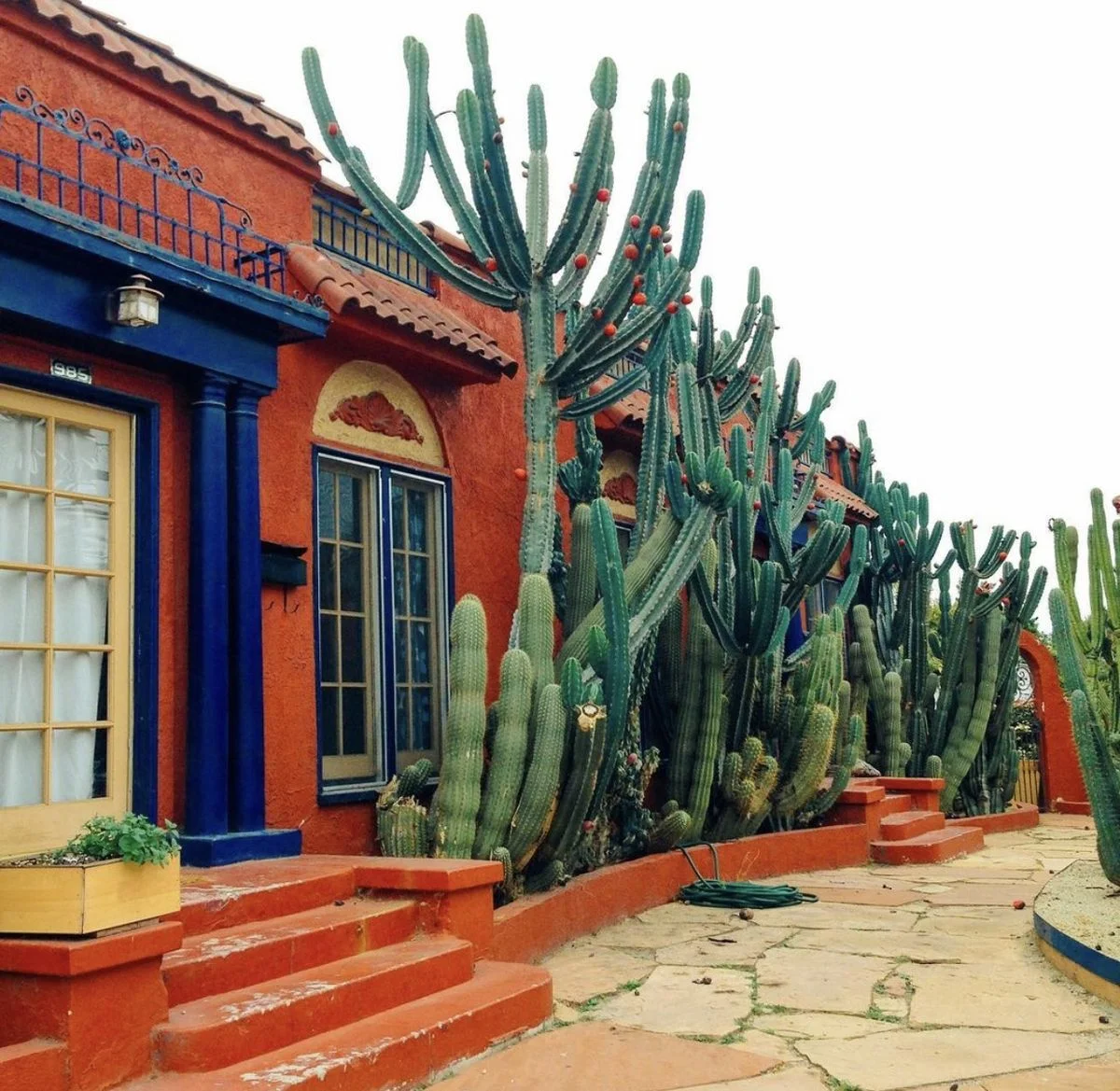
Los Angeles Cactus installs cacti for homeowners across Los Angeles County, Kern County and beyond, from a single statement plant to a full dry-garden bed. No job is too small or too large, and veteran and senior discounts are available.
Starting with the site, not the catalogue
Southern California is many climates. A coastal garden in the beach cities, a hot San Gabriel Valley backyard, a frost-prone Antelope Valley lot and a Bakersfield yard all call for different choices. Installation begins by looking at sun hours, reflected heat from walls, wind, frost pockets, soil texture and where water from roofs and irrigation actually goes.
People and pets matter as much as the plants. Spiny species belong away from walkways, pool edges, car doors and places where children play. Softer cacti and succulents can sit closer to circulation. Thinking about mature size now prevents the next removal call in fifteen years.
Soil, drainage and setting
Drainage is the single biggest factor in whether a new cactus thrives. In clay-heavy soils, plants are usually set slightly high, in a mound or raised bed of fast-draining mix, so water moves away from the base. In sandy coastal soil, drainage is easy but anchoring tall plants takes more depth or temporary support. On rocky foothill and desert ground, digging can be slow and caliche layers may need breaking through.
New cacti are oriented thoughtfully, especially nursery stock that has grown under shade cloth and may need gradual exposure. Top dressings such as gravel or decomposed granite keep the base dry and give the planting a finished look. Irrigation is adjusted or capped where it would keep the root zone wet.
Timing and aftercare
Spring and early fall are usually the most forgiving windows for planting cacti, because soil is warm enough for roots to grow and the hardest heat or cold is weeks away. Summer installs are possible with temporary shade and attention. In frost-prone places such as the Antelope Valley, the Santa Clarita Valley and the Kern valley floor, planting after the last hard freeze gives new plants a full season to settle. Afterward, most cacti need little more than sun, drainage and patience.
Designing with cacti
Cacti look best with rhythm and restraint. Repeating a few strong forms, contrasting tall and low, and leaving room for shadows on a plaster wall usually beats a crowded mix of one of everything. Pairing cacti with agaves, aloes, ornamental grasses and boulders creates layered gardens that still need little care. If you have reference photos or an inspiration board, include them in your email; they help translate a feeling into a planting.